
All Services314-252-0153
Oral Ties
Oral ties—such as tongue ties, lip ties, and cheek (buccal) ties—can affect feeding, breathing, speech, and overall function at any age. While they’re often discussed in infancy, restrictive oral tissues can continue to impact children, adolescents, and adults in more subtle ways over time.
Questions before booking? Call or text:
Our approach
A Whole-Body Approach to Oral Ties.
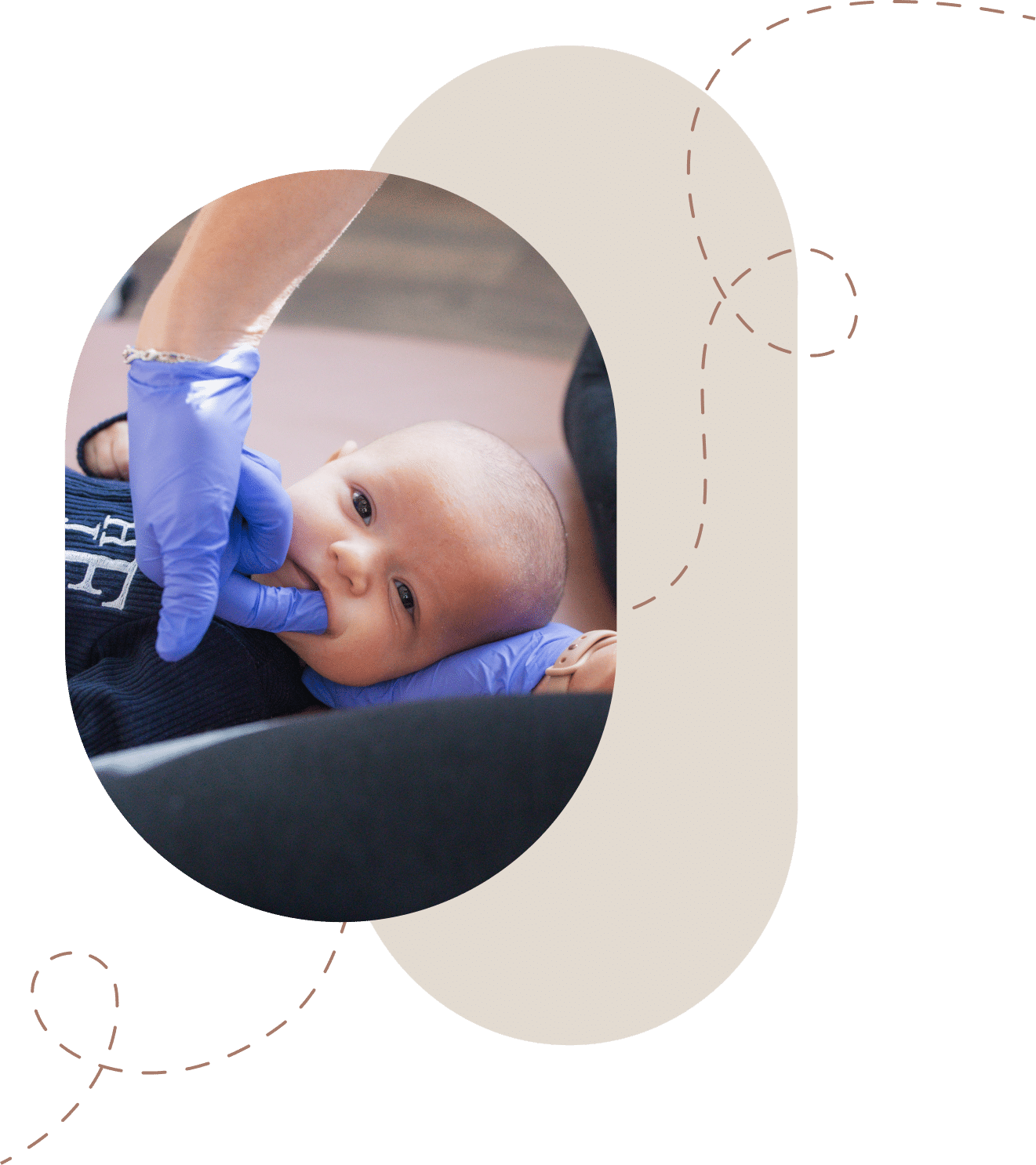
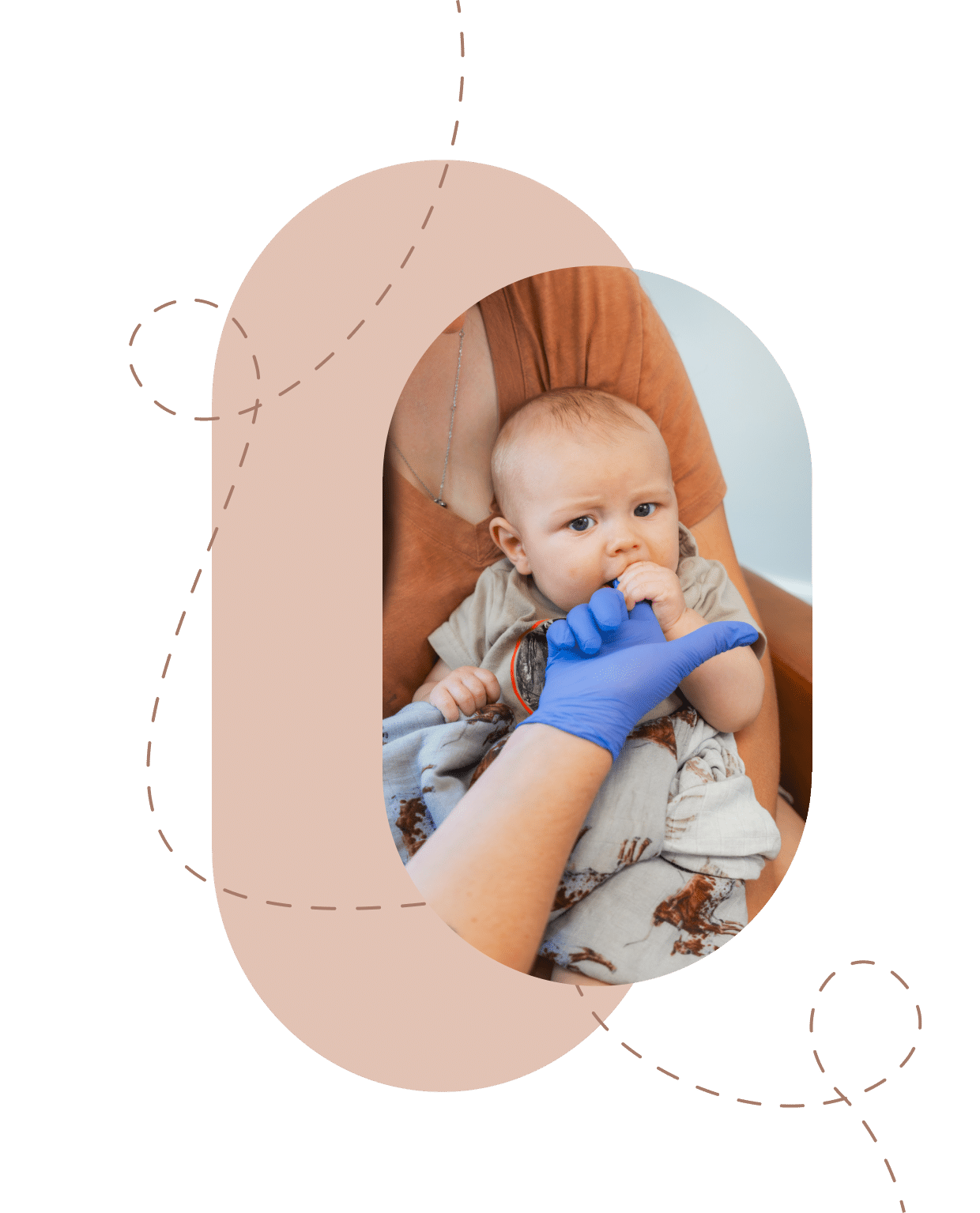
At The Abeille Feeding Clinic, we do not diagnose or surgically release oral ties. Instead, we provide functional assessment and therapeutic support to help patients and families understand what role—if any—oral ties may be playing.
Our services include:
- Comprehensive feeding and oral motor evaluations across all ages
- Functional assessment of tongue, lip, jaw, and facial coordination
- Whole-body observation (posture, tension patterns, reflexes, breathing)
- Feeding therapy, Bodywork, and myofunctional-based support when appropriate
- Collaboration with trusted dental, medical, and surgical providers
We believe informed decisions come from education, collaboration, and respect for patient goals—not pressure.
How we help
Sound Familiar?
Every family’s path looks different. These are some of the reasons parents come to see us, and we’ll start by listening to yours.
Someone mentioned a tongue tie, and I don't know what to do.
Wondering about a tie
Feeding hurts, and I want to know if a tie is part of it.
Pain during feeds
We're deciding whether to have a release.
Deciding on a release
We had a release and need support afterward.
Care after a release


Support for all
Signs Oral Ties May Be Affecting Function.
In Infants
Trouble with latching or getting milk
Clicking, leaking, or swallowing air
Long, tiring feeds
Gas, reflux symptoms, or frequent hiccups
Body tension or favoring one side
In Children
Trouble chewing or handling textures
Picky eating from weak mouth muscles
Speech or tongue movement challenges
Mouth breathing, snoring, or poor sleep
Jaw, neck, or posture tension
In Teens & Adults
Tiring quickly when chewing or talking
Jaw, neck, or shoulder pain, or headaches
Past orthodontic issues or relapse
Mouth breathing or poor sleep
Long-term eating or swallowing challenges
These signs often overlap with other conditions, which is why a comprehensive, individualized evaluation is essential.

your first visit
What to expect when you come in.
No concern is too small, and no one is in a hurry. Here’s what to expect at your first appointment.
- Time to tell your full feeding story
- A thorough, unrushed feeding observation
- Hands-on support, always with your consent
- Clear explanations and practical strategies
- A plan you can actually use at home
Booking is per clinician through Jane App. If you’d rather be matched, call and we’ll help you pick.
our locations
Proudly serving families
in three communities.


WEST county
st. louis, mo
2821 North Ballas Road Suite 220
St. Louis, MO 63131
Located inside New Mom School

FROM OUR FAMILIES
What families are saying

Not sure where to start?
Every family’s story is different, and so is every path to feeling supported. Reach out with your questions, big or small. We’ll help you find the right clinician and location, then take the next steps together at your family’s pace.